PCI DSS Penetration Testing
Test internal and external attack paths, validate segmentation, and document findings for your PCI DSS assessment.
Testing aligned to your environment
Scope the systems that store, process, or transmit cardholder data, including connected services and segmentation controls.
Cover the cardholder data environment
Define the applications, APIs, networks, cloud services, and segmentation controls included in the assessment.
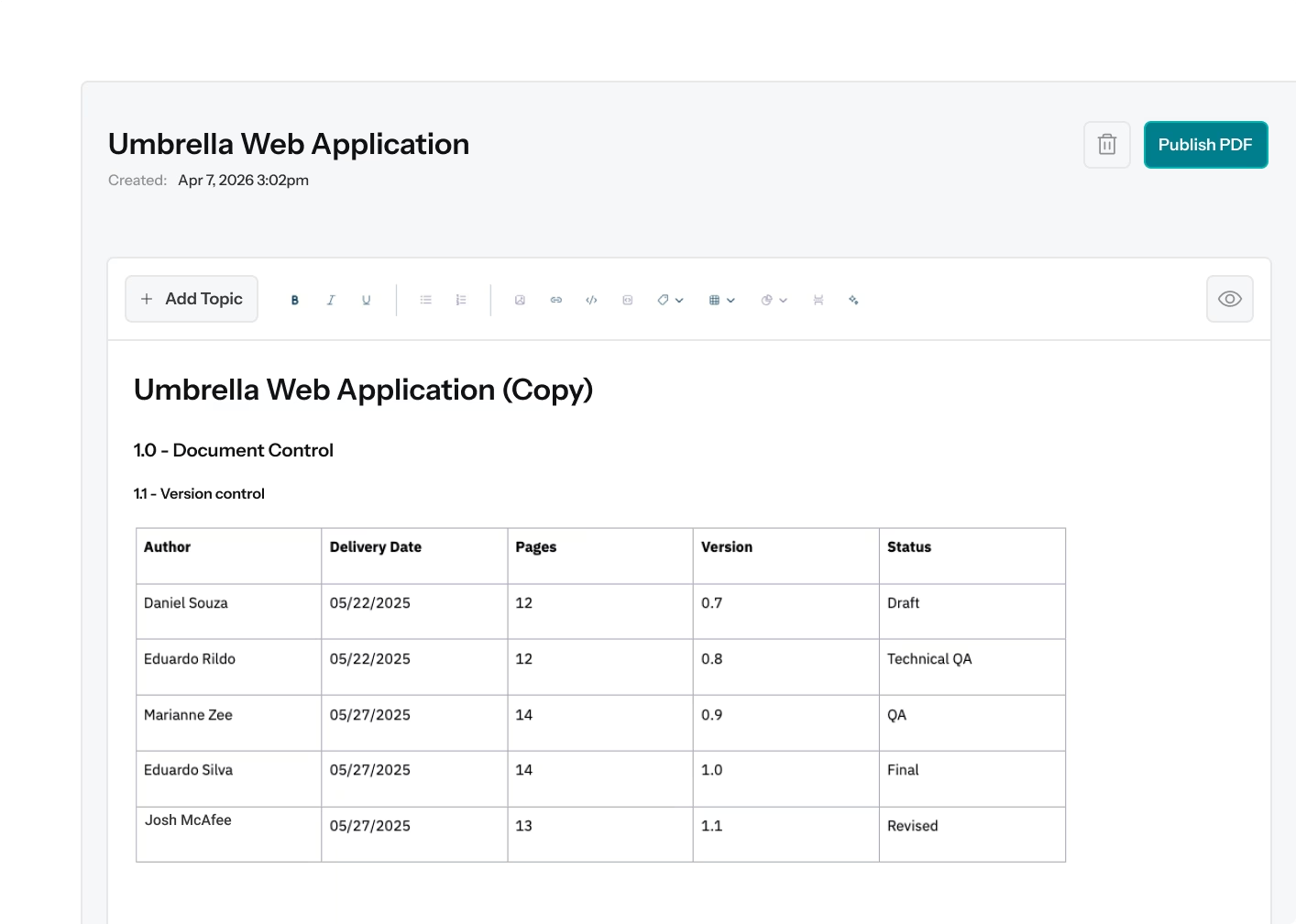
Test internal, external, and segmentation controls
Test application and network attack paths across internal, external, and segmented environments.
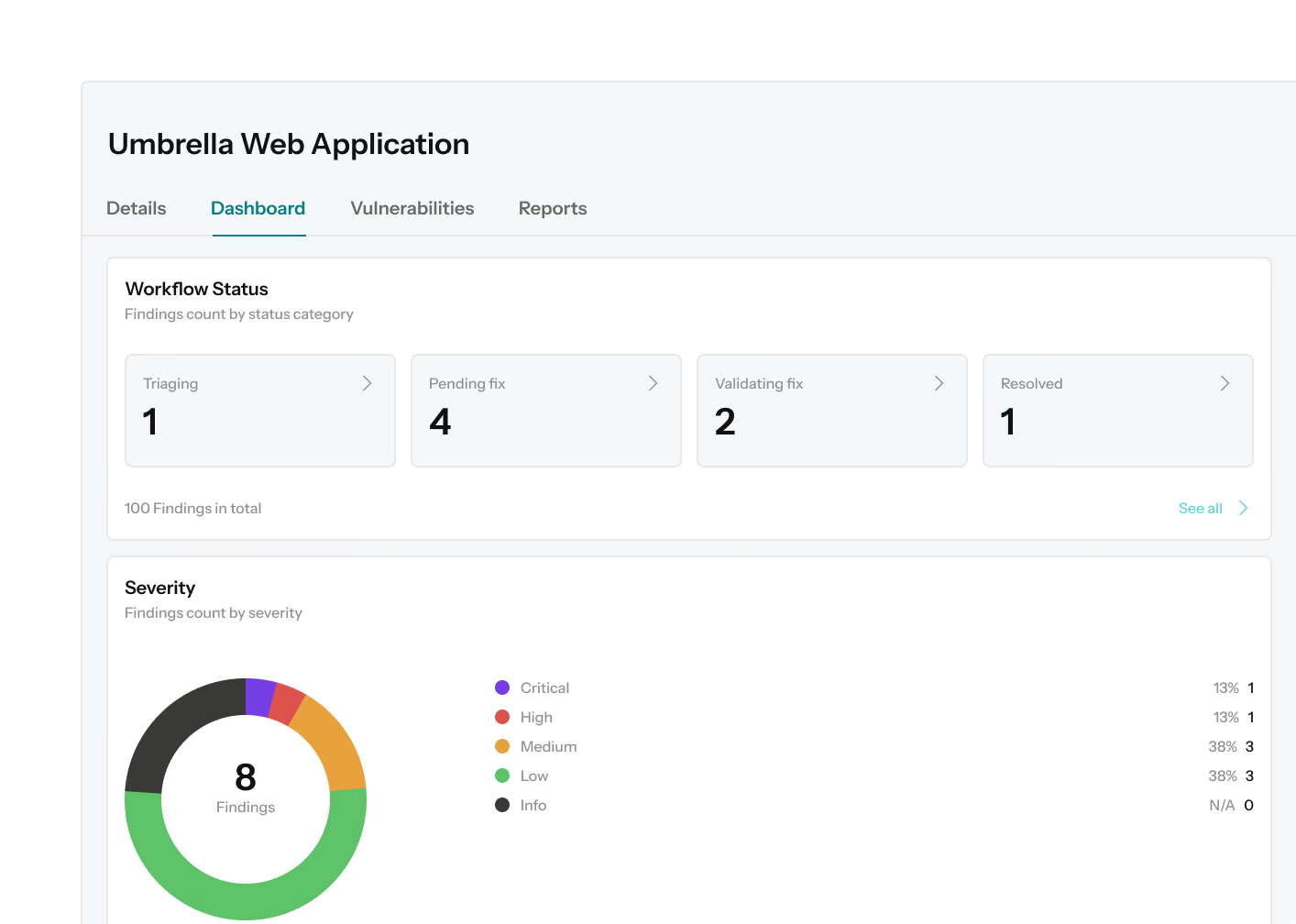
Fix and retest findings
Prioritize validated findings, fix material issues, and retest where needed.
Where pentesting fits PCI DSS
Requirement 11.4 covers internal, external, and segmentation testing. Requirement 6 includes ongoing web-application controls that a point-in-time pentest does not replace.
Name
How Blaze helps support it
6.2.4
Bespoke and custom software security
Tests custom applications, APIs, authentication and authorization flows, and business logic that could expose payment data.
6.4.1 / 6.4.2
Public-facing web application protection
Assesses internet-facing applications and APIs for exploitable weaknesses affecting payment-related systems.
11.4.1
Penetration testing methodology
Testing aligned to a documented methodology (NIST SP 800-115, OWASP, PTES) covering the full CDE and critical systems.
11.4.2
Internal penetration testing
Internal network and system testing to evaluate what an attacker or compromised user could reach.
11.4.3
External penetration testing
External network and application testing of internet-facing attack paths.
11.4.4
Remediation and retesting
Findings are remediated and re-tested to confirm exploitable weaknesses are corrected.
11.4.5 / 11.4.6
Segmentation testing
Tests whether segmentation controls isolate the CDE from out-of-scope systems (every 6 months for service providers).
Clear evidence for security and QSA review
Get clear scope, validated findings, remediation guidance, and reporting your security team and QSA can review.

PCI-focused scope
Cover relevant applications, APIs, networks, cloud services, and segmentation controls.

Validated findings
Receive severity, impact, reproduction steps, and practical remediation guidance.

QSA-ready reporting
Share scope, methodology, evidence, and remediation status with your QSA.

Independent testing
Blaze is CREST-accredited. Findings are reviewed before delivery.

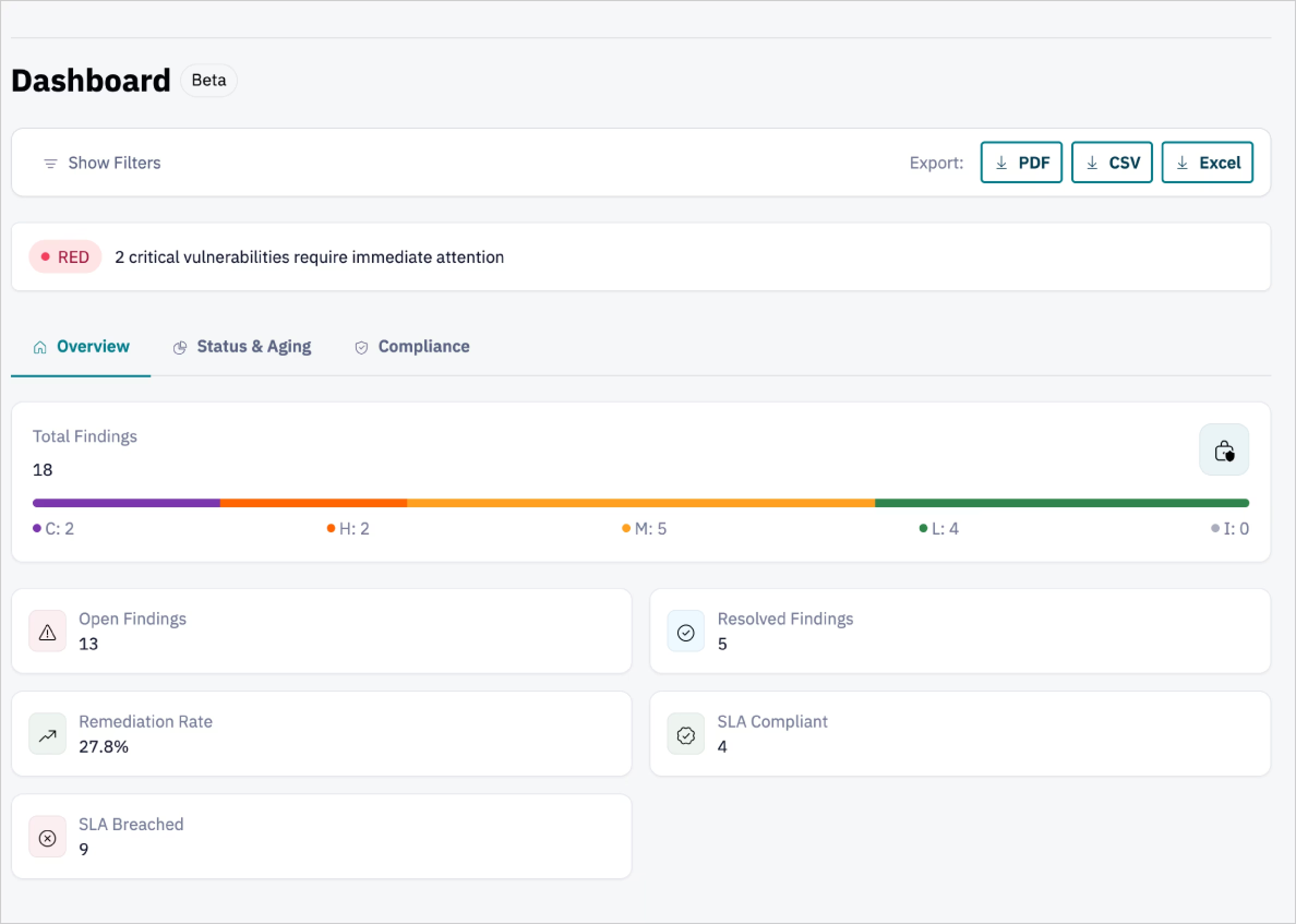
Remediation workflow
Assign findings, track fixes, and keep security and compliance teams aligned.

Optional retesting
Confirm whether fixes address the original finding and document the result.
Reuse relevant findings
Some findings may support other assurance work. Each framework still has its own requirements.

PCI DSS pentesting questions

Extend your payment-security program
Add broader testing or security leadership where your payment environment needs it.

Penetration Testing
Assess applications, APIs, cloud environments, networks, and connected systems beyond PCI scope.
.avif)

Fractional CISO
Add ongoing ownership for risk, assurance, compliance readiness, and reporting.
Plan your PCI DSS pentest
Share your PCI scope, segmentation approach, and assessment timeline. We’ll help shape the right test.
