NIS2 Penetration Testing Services
Test applications, APIs, cloud, networks, and identity systems supporting essential or important services. Get validated findings, remediation guidance, and clear evidence for your NIS2 programme.

Test the systems behind essential services
Validate realistic attack paths across the applications, infrastructure, identities, and supplier connections that matter most to service continuity.
Assess whether technical measures work
Use penetration testing to support effectiveness assessment, secure development, vulnerability handling, and access-control decisions under Article 21.
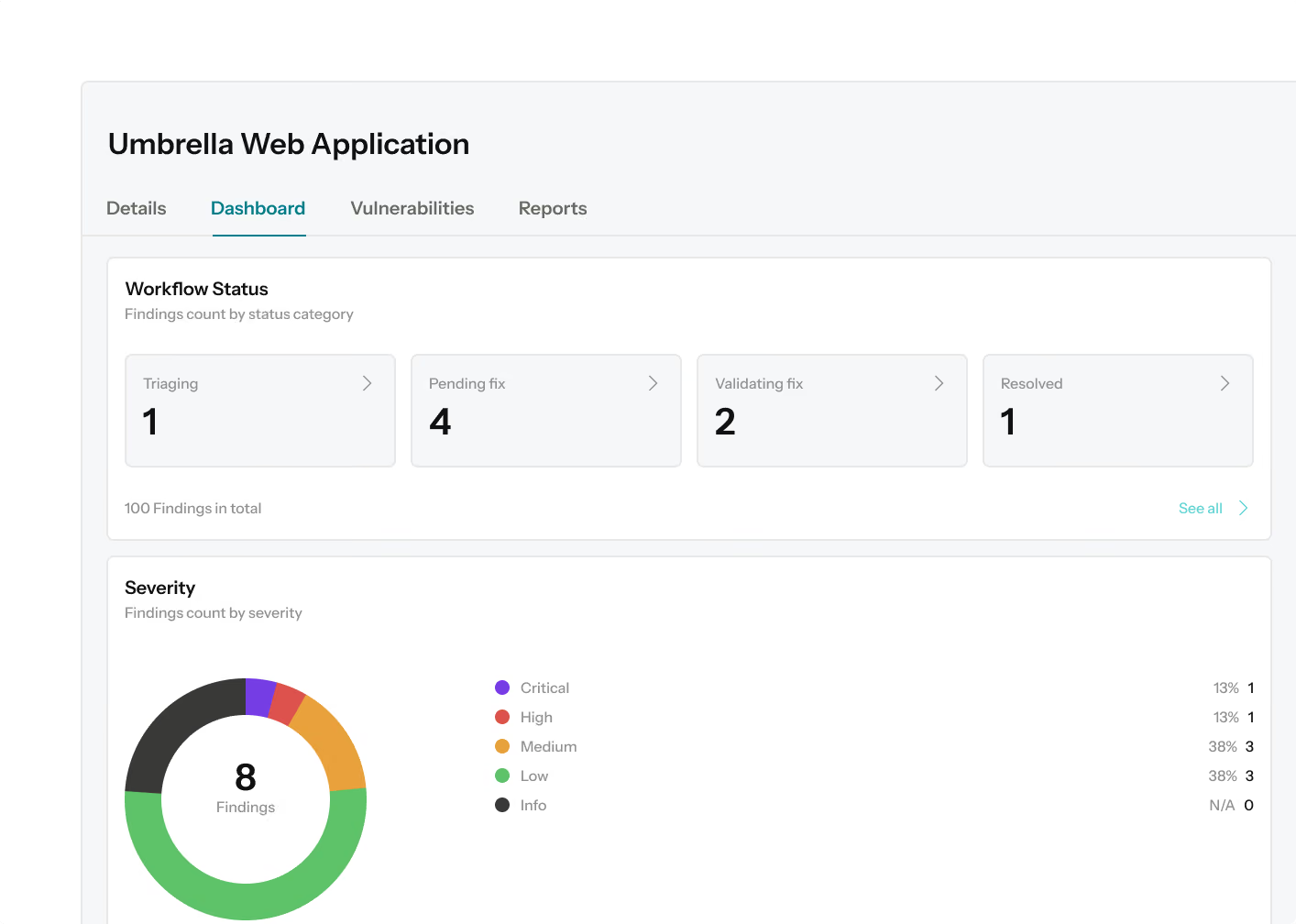
Follow critical services across your environment
Scope web applications, APIs, cloud, networks, identity systems, and authorized supplier integrations according to exposure, change, and business impact.
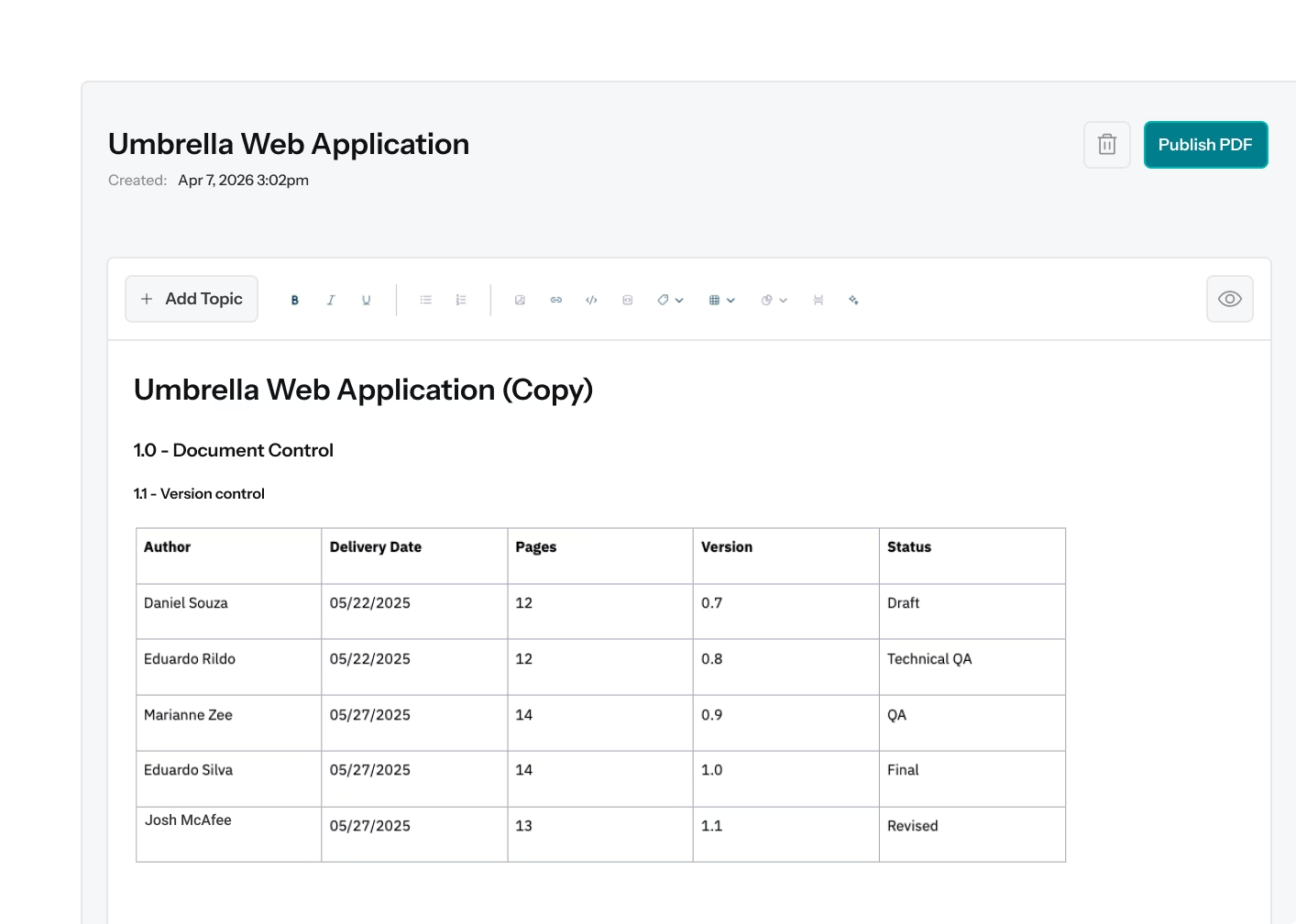
Track findings through remediation
Give engineering, risk, and management teams a clear record of scope, findings, owners, fixes, and available validation evidence.
Where penetration testing supports Article 21
Penetration testing can support selected cybersecurity risk-management measures. It does not establish NIS2 compliance or replace governance, incident reporting, continuity, training, or national legal requirements.
NIS2 Article 21 measure
How Blaze helps support it
(a)
Risk analysis and information system security policies
Identifies exploitable weaknesses in in-scope systems to inform risk analysis and treatment decisions.
(b)
Incident handling
Reveals attack paths and control gaps that can inform detection, containment, and response planning.
(d)
Supply chain security
Tests authorized supplier integrations and connected third-party systems included in scope.
(e)
Security in acquisition, development and maintenance, incl. vulnerability handling
Tests applications, APIs, and infrastructure and provides findings to support vulnerability handling.
(f)
Policies to assess the effectiveness of measures
Provides independent technical evidence that can inform assessments of whether selected security measures are effective.
(g)
Basic cyber hygiene and access control
Tests authentication, authorization, privilege boundaries, and access paths to sensitive systems.
Clear evidence for security and management teams
A NIS2 pentest should help engineers reduce risk and give decision-makers a clear record of what was tested.

NIS2 testing context
Connect findings to relevant Article 21 measures without presenting the pentest as a complete compliance assessment.

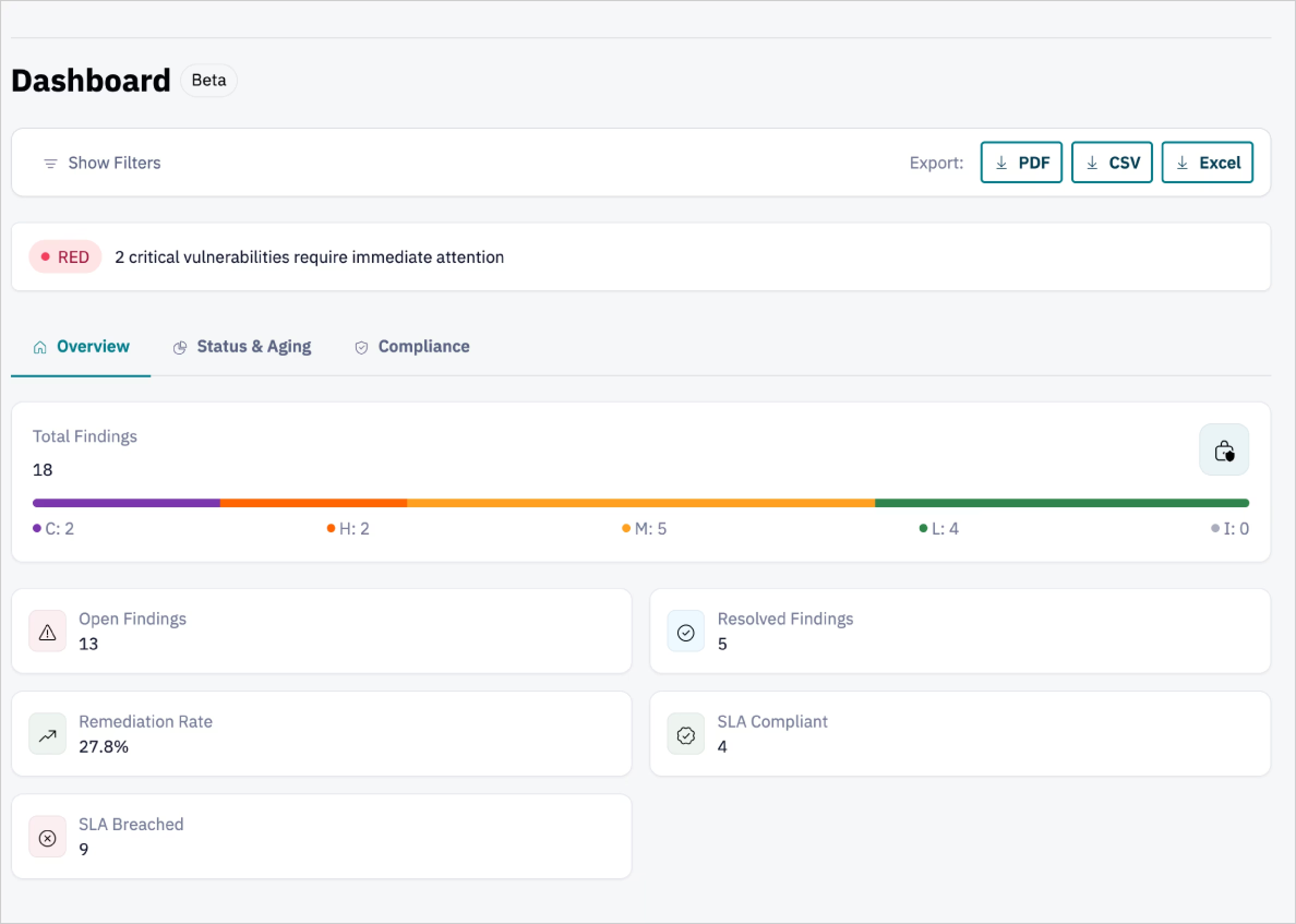
Remediation workspace
Track findings, owners, fixes, and available validation evidence in one place.

Shareable reporting
Share scope, methodology, findings, and remediation status with security, risk, management, audit, and oversight teams.

CREST-accredited provider
Work with a named testing team, reviewed findings, and direct access throughout the engagement.

Reusable technical evidence
Use relevant findings in other assurance work where scope and requirements align.

Fix validation
Confirm whether agreed fixes address the original finding when validation is included.
Reuse relevant findings
Some findings may support other assurance work when scope and requirements align. Each framework still has its own legal or assessment obligations.

ISO 27001
Use relevant findings in ISO 27001 risk, vulnerability-management, and control-improvement work.
DORA
Support digital operational resilience work for financial entities where scope and requirements overlap.
Frequently asked questions

Services that support NIS2 readiness
Complement penetration testing with broader security validation, adversary simulation, and programme guidance.

Penetration Testing
Test web applications, APIs, mobile, cloud, and networks for exploitable weaknesses and clear remediation priorities.
Adversary Simulation
Test detection, response, and containment against realistic attack paths through authorized red-team or purple-team exercises.

Ready to scope your NIS2 pentest?
Get a focused testing plan for systems supporting essential or important services.
